Wineries
A modern revival: the wineries, cellars and tastings of the Caucasus.
New life for an old craft
After the hard 1980s Azerbaijani winemaking is undergoing a revival. Today about a dozen wineries work in the country — from restored historic plants to modern estates with their own vineyards, oak cellars and ranges of wines.
Where wine is born
Savalan (ASPI)
A modern winery in the foothills of Gabala with its own vineyards and European technology.
The Goygol plant
A historic wine plant founded by German colonists and restored in our day.
Shirvan Wines
A new winemaking complex in the Shamakhi district, in the land of the signature Madrasa grape.
Small estates
Cooperatives and small wineries, including in the village of Ivanovka, continue the tradition of home wine.
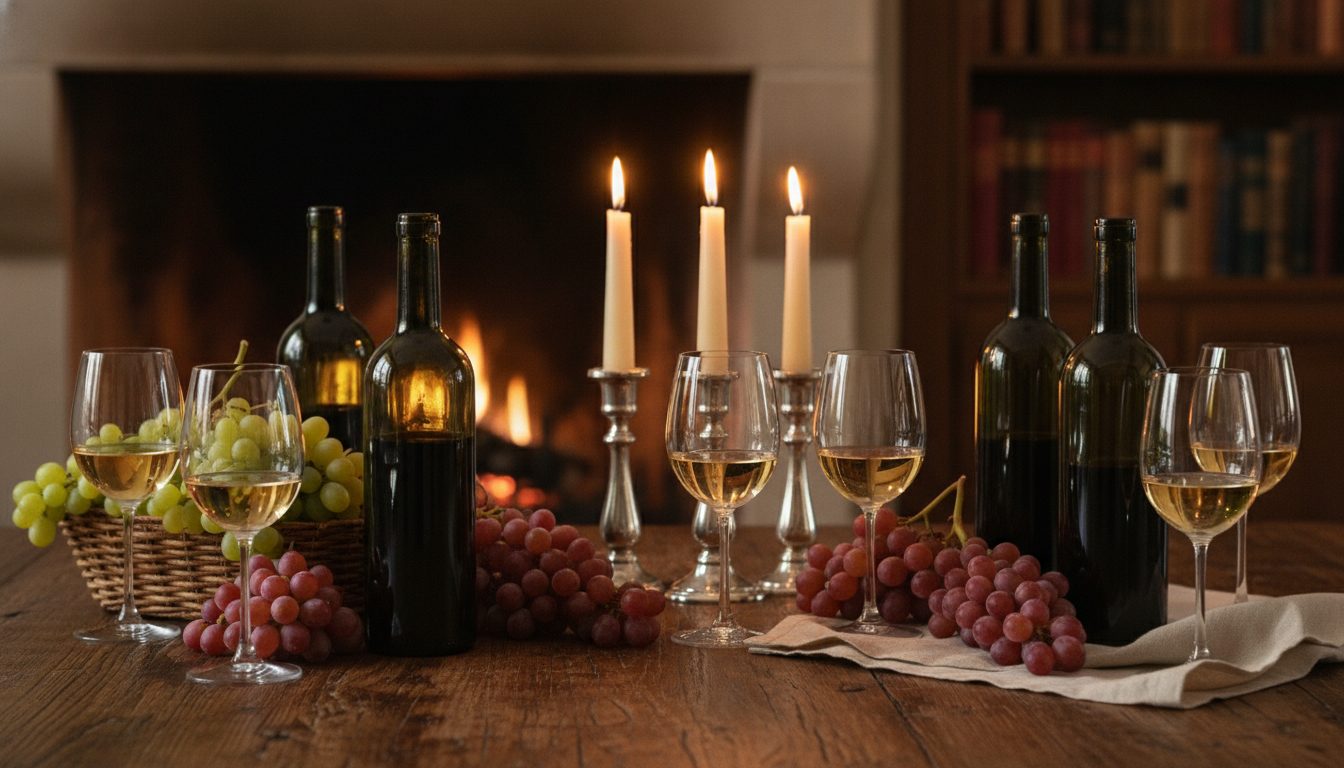
Tastings in the valleys
The wineries of Azerbaijan increasingly open their doors to guests: tours of the vineyards and cellars and tastings of local wines and the pomegranate drink have become part of tourism. The best time is autumn, the grape harvest, when the valleys smell of ripe vine.
The essentials, briefly
Very ancient: the vine has been cultivated here at least since the 2nd millennium BC. Archaeologists have found jars with the remains of wine from that time.
Madrasa — a pink variety from the village of the same name near Shamakhi, the basis of the famous local red wines.
A special wine from Azerbaijani pomegranate — rich, ruby-red, with a sweet-and-sour taste. One of the calling cards of the land.
In 1817–1818 colonists from Württemberg founded Helenendorf (now Goygol) and raised local winemaking to a European level.
In the 1970s–80s Azerbaijan was a major wine producer in the USSR, but Gorbachev's anti-alcohol campaign of 1985 dealt the industry a heavy blow.
Yes. A number of wineries, such as Savalan in Gabala, run tours and tastings; wine tours through the valleys are growing ever more popular.
The old craft has returned — and once again fills the glasses with the wine of these valleys.